
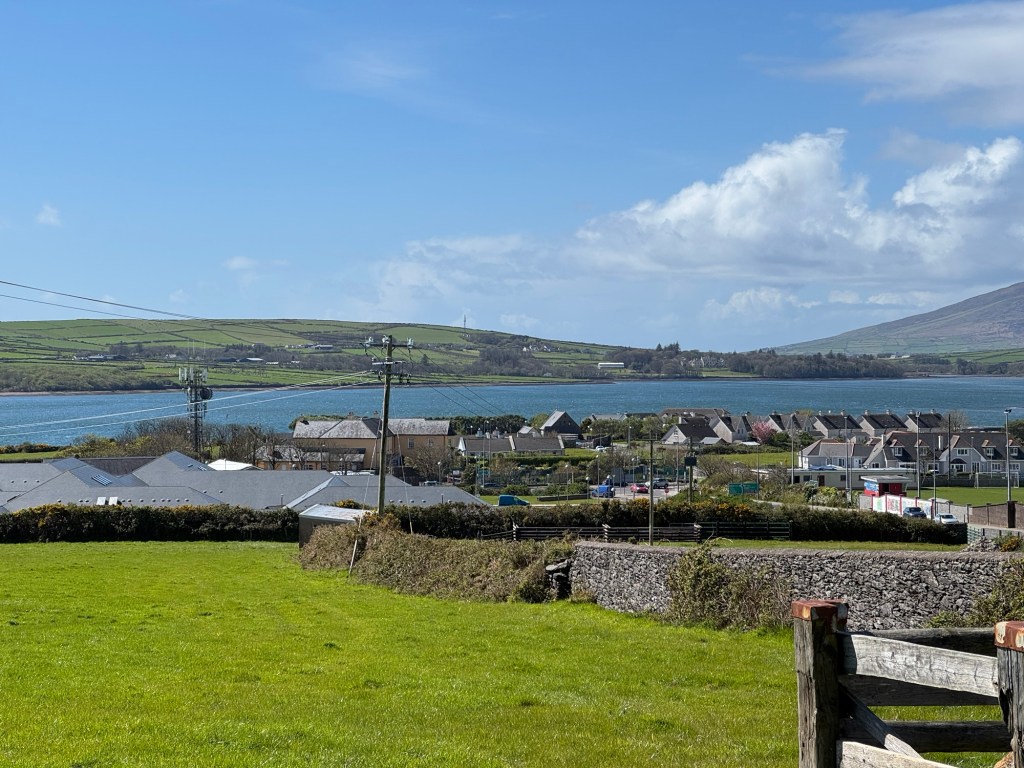
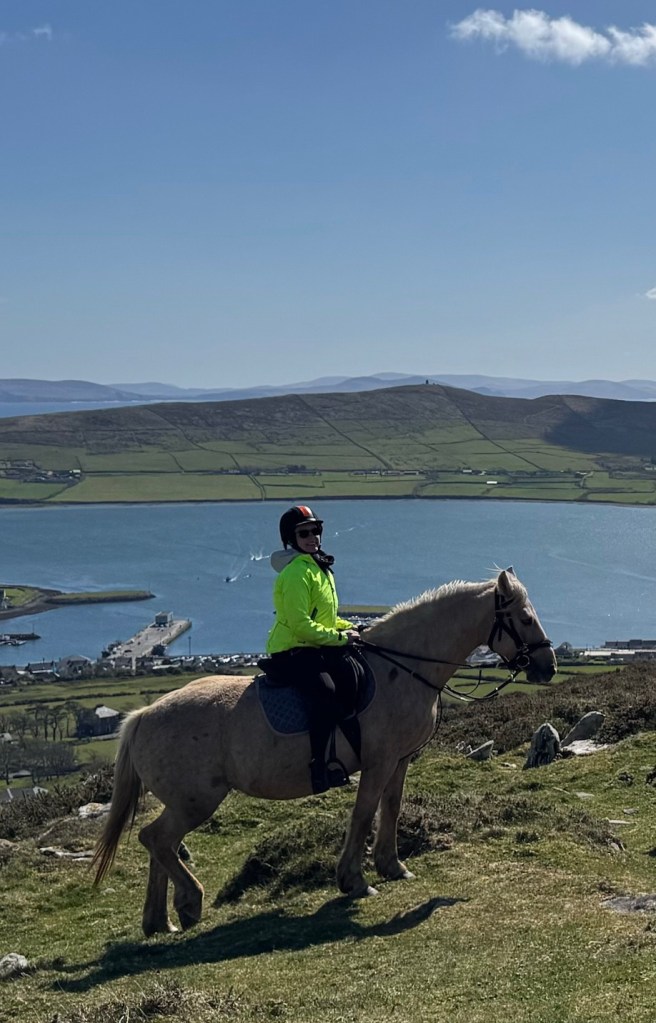
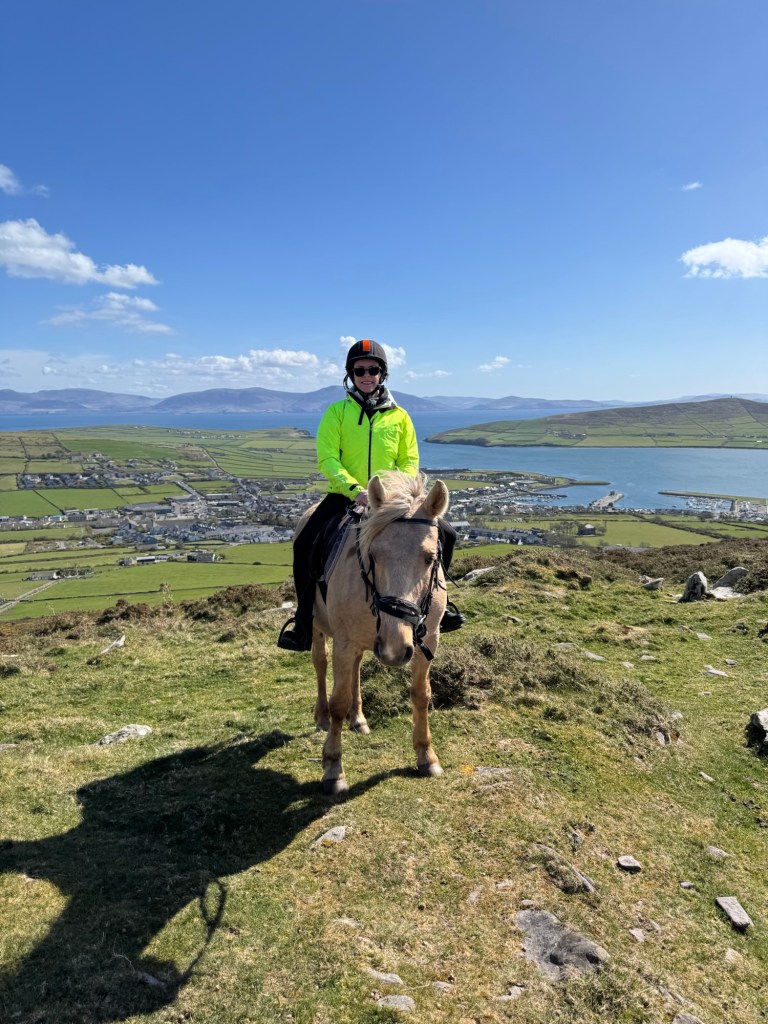
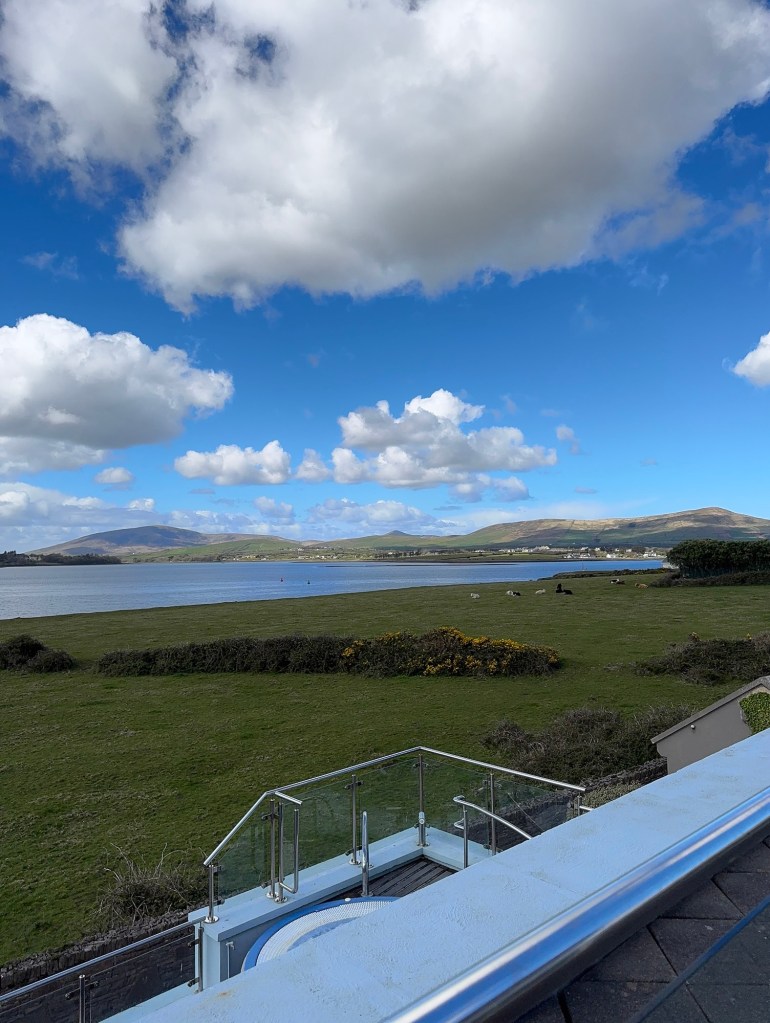
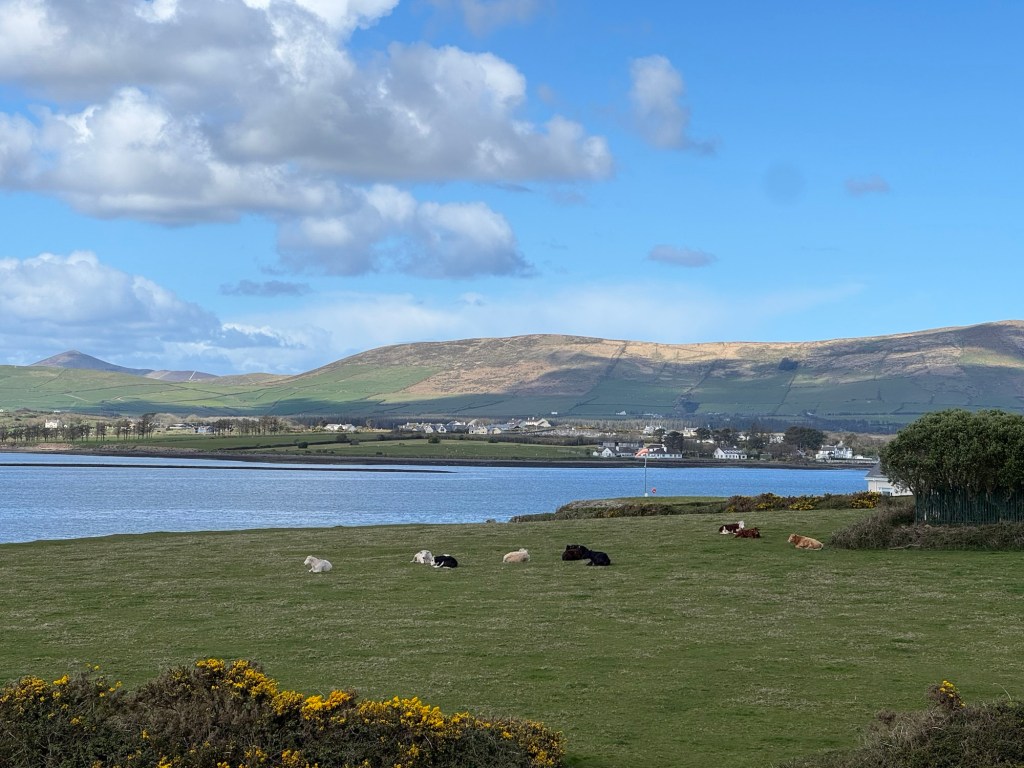
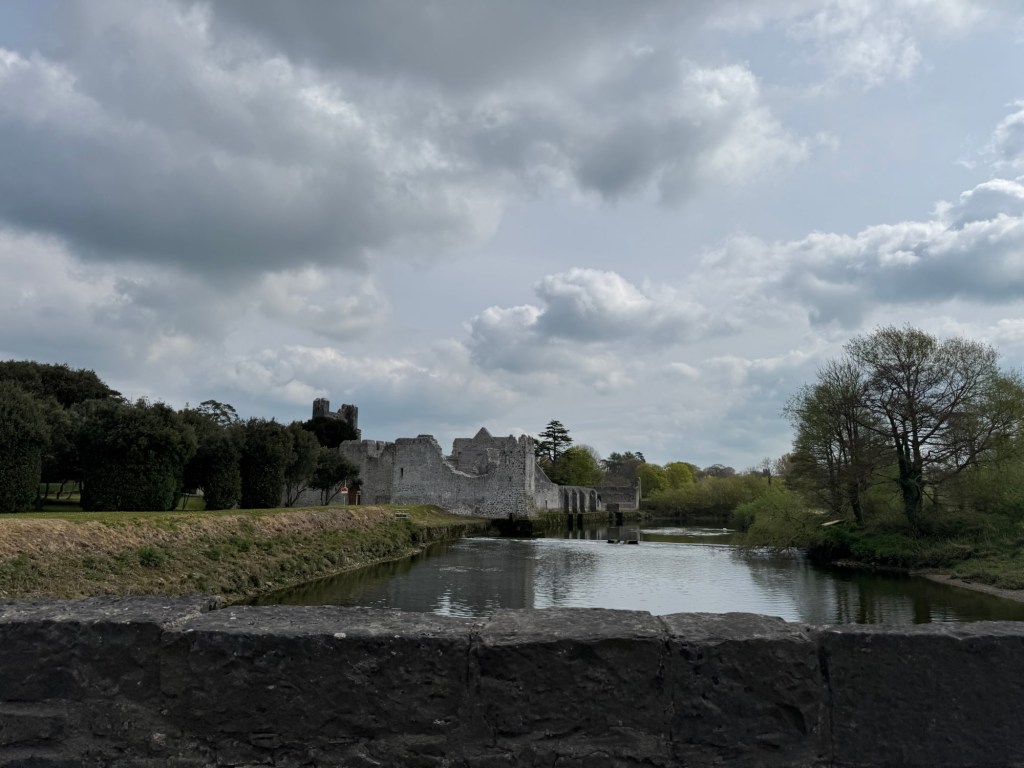
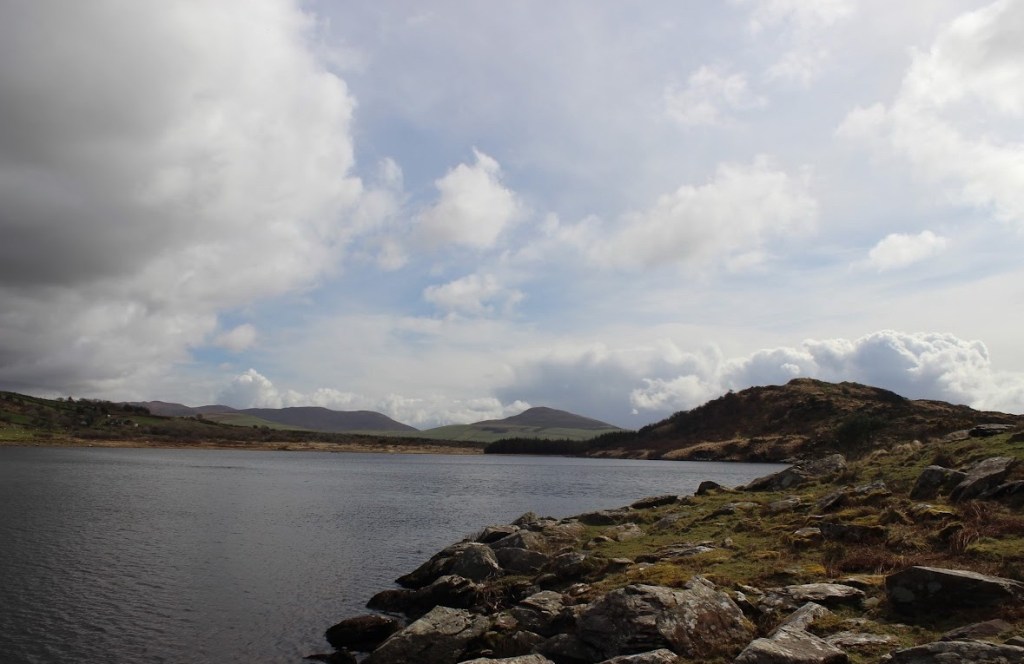
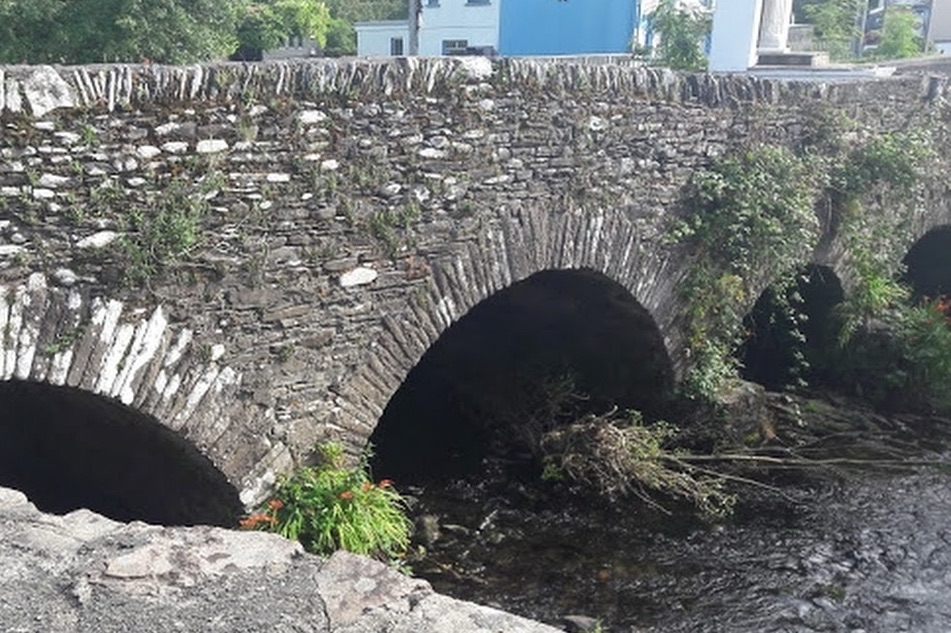
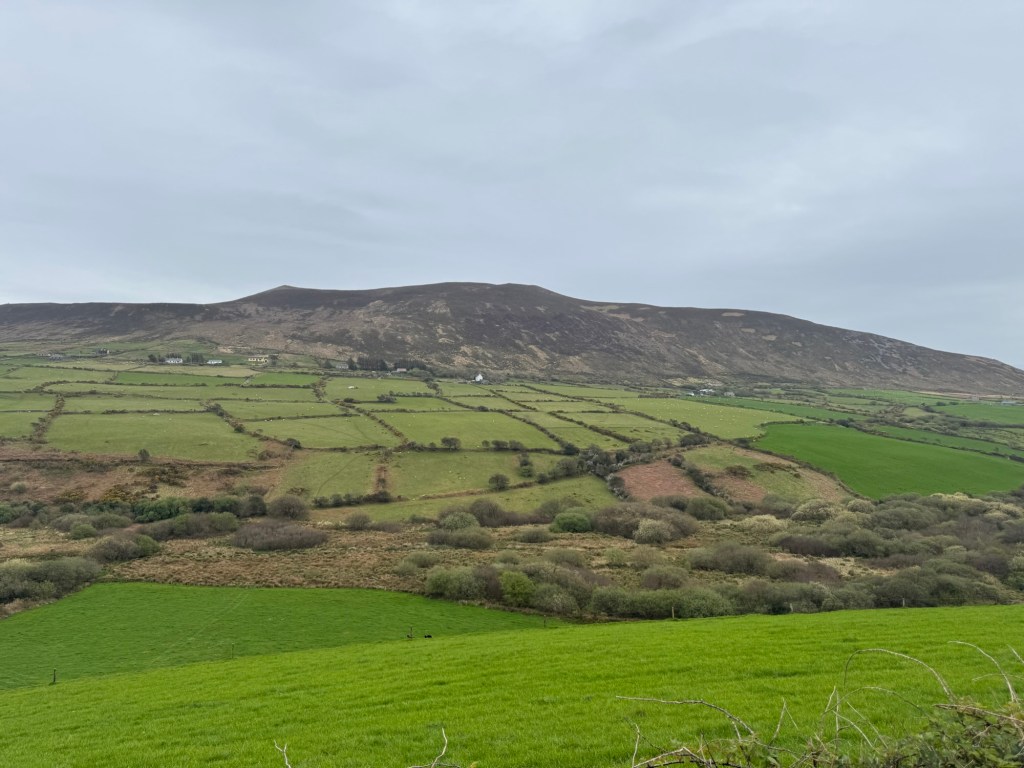
Here are some photos from Ireland. We had beautiful weather, and I got to ride a horse!




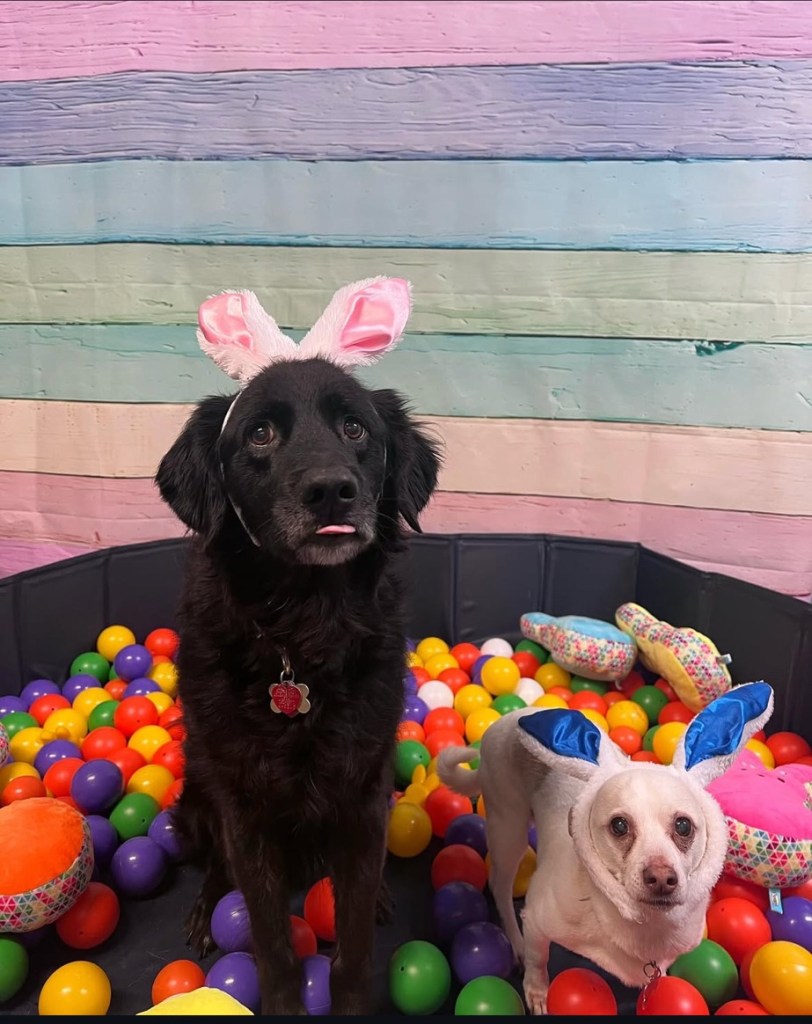
And as always, Bella and Rex were at Camp Bow Wow having a great time.


It was a great honor to be invited to stand in one of my best friend’s wedding and I didn’t want to miss it. So I planned to have the spinal fusion surgery after this trip. I am grateful I made that decision, but the traveling was really hard on my body and has further limited my mobility. I am taking my time packing up my belongings before getting on the road to NY. I am trying to pare down my possessions to the essentials, which is surprisingly difficult. I have accumulated a lot stuff over the years!
I’m hoping to get on the road by May 15. I’ll be driving 3 hours a day so it will take me at least a week to make the 20ish hour drive. I am hoping to make a detour to Disney World and Universal Studios to get in some roller coaster rides before the surgery. Like the horseback ride, I think it will be worth some additional discomfort pre-surgery to do the fun things I won’t be able to post-surgery. I am having lots of opportunities to practice cost/benefit analysis lately!
I think about my former clients every day. Please continue to email me if and when it feels helpful for you. Any message you send me is read with care. I am struggling with not responding, but I know it’s necessary to protect our boundaries. Remember you are always loved and never alone. My referral list and crisis resource list are also available on this site if you need extra support. 💕






 Renée Gaubert, LCSW
You must be logged in to post a comment.