

ATTENDD Journaling
Try using the mnemonic device ATTENDD* to guide the journaling process.
ATTENDD: Awareness, Tension, Thoughts, Emotions, iNtuition, Dreams, Distractions Awareness: Write down anything that seems to have changed or feels different in your life.
Tension: Pay attention to your body and note when you experience any physical sensations, tension or tightness.
Thoughts: Take note of any unusual or upsetting thoughts that come up and write them down. Once you see them on paper, does your thinking change?
Emotions: Pay attention to your emotions. Do you feel joyous, depressed, elated, or fearful? Are these feelings different from what you experienced in your last session?
iNtuition: Stay conscious of anything that comes to you intuitively during the week. Do you instinctively have a better understanding of your relationships, your therapy, anything that’s been on your mind?
Dreams: As soon as you wake up in the morning, write down everything you remember about your dreams, including partial images, people, objects, and feelings.
Distractions: Pay attention to what, if anything, is distracting you. Is there a pattern you can discern within the distractions?
*Borkin, S. 2014, October. Journaling Exercises to Enhance your Clinical Work: Use the Power of the Pen in Your Practice. Retrieved from www.psychotherapynetworker.org.
5-minute Daily Journal
Date:
MORNING
I am grateful for:
What would make today great (things within your control):
Affirmations/Intentions/Mantras for today:
EVENING
Three positive things that happened today:
How I could have made today even better/What I will try tomorrow:
*adapted from Intelligent Change
ABCDE Journal Template
Activating Event/Situation:
Belief/Thought:
Consequences:
Feeling:
Behavior:
Disputation of Belief:
Exchange for Effective New Belief:
New Feeling:
New Behavior:
Click here for a free, fillable worksheet version
Behavior Log
Date/time:
Before engaging in the behavior
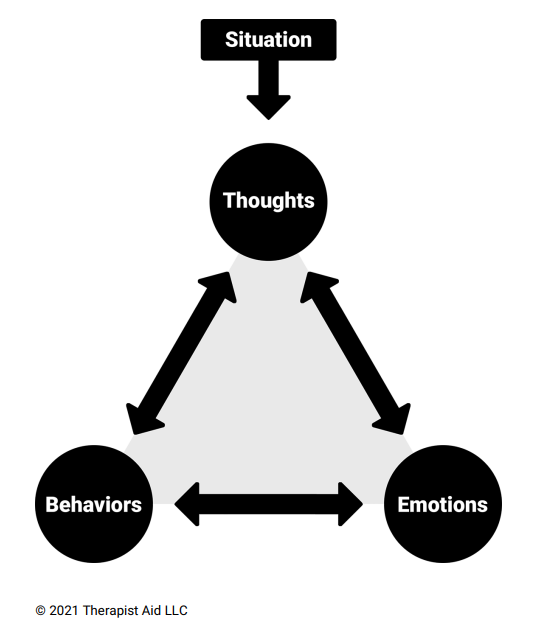
Thought (about yourself or an experience):
Feeling (emotion) and intensity rating (0-100%):
Need this behavior meets:
After engaging in the behavior
Thought (about yourself or an experience):
Feeling (emotion) and intensity rating (0-100%):
Was your need met? (0-100%)
Food Journal
Date/time:
Before eating-
Thought (about yourself, a recent experience, or food):
Feeling (emotion) and intensity rating 0-100:
Hunger rating 0-100:
Food choice (focus on servings/portions and food groups rather than calories or volume):
After eating-
Thought (about yourself, a recent experience, or food):
Feeling (emotion) and intensity rating 0-100:
Fullness rating 0-100:
You can use the feelings wheel to identify emotions: https://feelingswheel.app/
 Renée Gaubert, LCSW
You must be logged in to post a comment.